Pickling & Phosphating Lines: Linear vs. Circular Advantages
In the metal surface treatment industry, the structural design of pickling and phosphating lines directly shapes production efficiency, cost control and process stability. Driven by automation, two mainstream layouts have emerged: linear and circular. They differ sharply in space use, process flow and production flexibility, so enterprises must choose wisely based on capacity needs, site conditions and product traits.
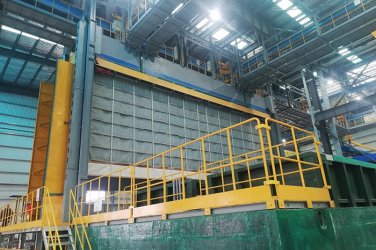
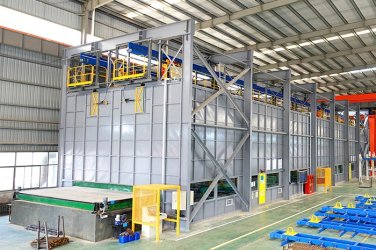
A linear line is a basic industrial layout with processes connected in series. Workpieces enter at the feed end, move one way through pickling, washing, surface conditioning, phosphating and drying, then exit finished at the end. Its key strengths are simple structure and strong space adaptability: equipment extends unidirectionally, fitting narrow workshops easily. Installation and maintenance are also straightforward—no complex rails or steering systems, simpler electric controls, fewer faults, and segmented maintenance to avoid full-line shutdowns.
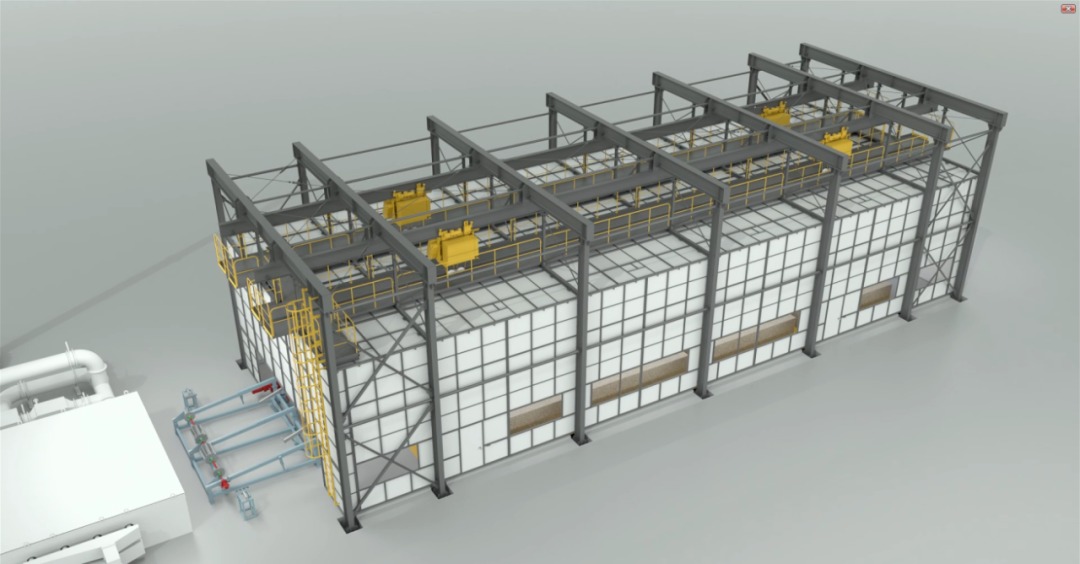
Its main flaw lies in limited logistics efficiency. Unidirectional workpiece flow means empty fixtures (hangers, baskets) must return to the feed end manually or via basic conveyors, creating wasted travel. For large workpieces like engineering machinery parts, this return can even block the main line and lower equipment utilization. Additionally, linear lines have lower capacity than circular ones due to cycle time constraints.
By contrast, a circular line uses a closed-loop design, with workpieces circulating on an annular track (rectangular or O-shaped). Its core advantage is maximized logistics efficiency: fixtures cycle automatically with no empty return losses, and intelligent scheduling enables dynamic process routing by workpiece type. The compact circular layout also boosts per-unit-area productivity.
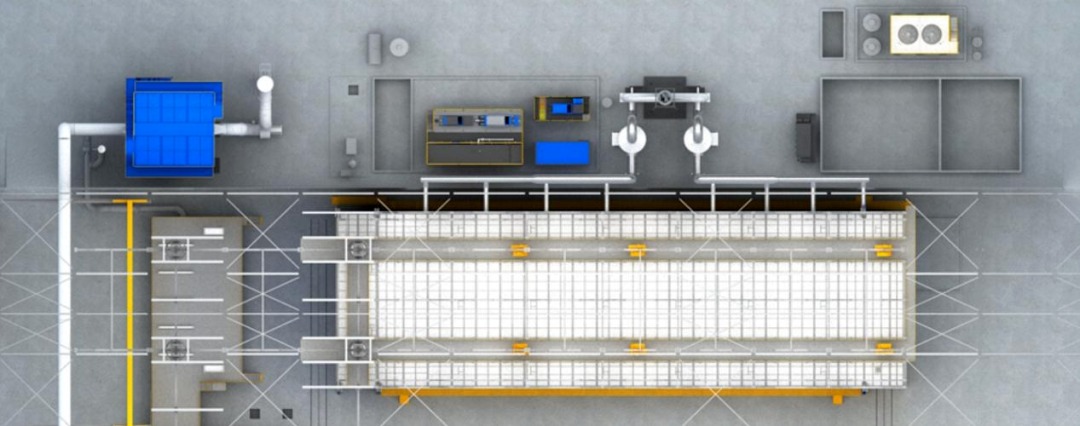
However, circular lines face limits from higher technical complexity. They require greater upfront investment and maintenance costs, with annular drive rails, steering gear, central control systems and multi-layer sensors—electrical debugging alone takes 50% longer than linear lines. Most importantly, circular lines demand stricter workshop, logistics and product standards that require full evaluation.
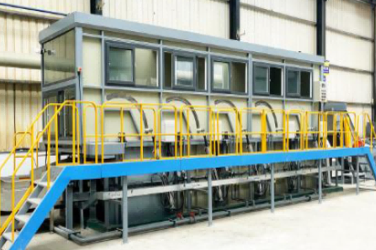
The two layouts also perform differently in quality stability and environmental compliance. Linear lines house all tanks in one enclosed room, where acid mist spreads widely and harms phosphating quality. Circular lines separate pickling and phosphating into two independent enclosed rooms, eliminating acid mist interference on phosphating results.
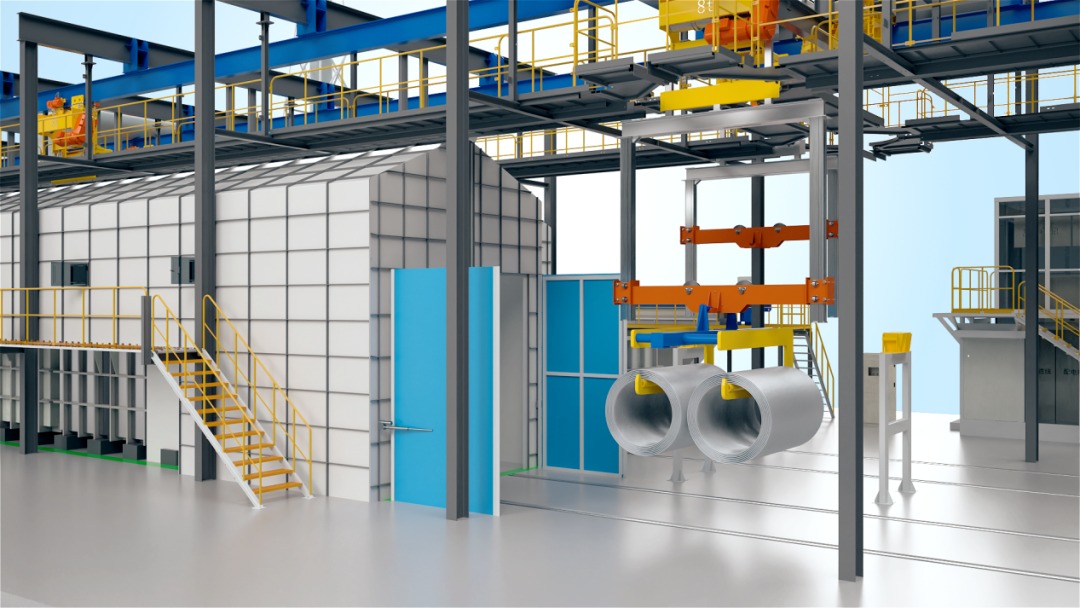
Selection boils down to matching the application scenario. Linear lines suit small-to-medium batch, multi-category production, with modular design allowing gradual upgrades and avoiding over-investment early on. Circular lines are irreplaceable for high-volume continuous production thanks to their high throughput.
At heart, the choice between linear and circular lines is a balance of efficiency and flexibility. Businesses should consider not just current capacity, but also product changes over the next 3–5 years. Circular lines deliver better marginal benefits for stable processes and large batches; linear lines offer more resilience for fragmented orders. Only by aligning line design with business strategy can metal surface treatment value be fully maximized.