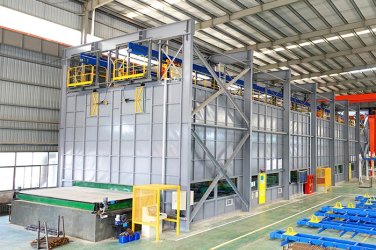
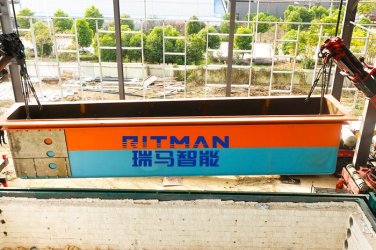
Integrated Design, Coupled Process & Equipment: RITMAN Cuts Energy Costs and Lifts Quality in Hot-Dip Galvanizing Lines
For hot-dip galvanizing plants, competition is no longer about the price of the line. It is about whether the line saves energy and delivers consistent quality. A plant's energy use and product quality directly decide how much it can earn.
Many galvanizing plants run thin margins and struggle to win orders. The problem often starts at the design stage: process and equipment are designed separately.Processes and equipment are designed separately by different teams. Problems only show up after the line is running — skip plating, hanging slag, uneven coating, high zinc consumption, and wasted energy. Fixing these later is expensive and delivers little.
RITMAN solves this with an integrated design approach: process defines the equipment, and equipment supports the process. The two are combined into one system from the design stage. Energy and quality are handled before the line even starts production.
1. Process First: Turning Process Logic into Equipment Parameters
The furnace system is the core of the galvanizing line and the point where process and equipment connect most deeply. Traditional lines use rough thermal design. Temperature is not distributed evenly, which leads to local overheating, zinc ash buildup, and high zinc consumption per unit.
RITMAN works backward from process needs to design the equipment. The thermal system is matched to part types, production capacity, and dipping rhythm. The zinc pot structure, heating layout, and insulation system are calibrated one by one, so the zinc bath stays stable and even across the whole pot. Zinc ash generation is reduced, and zinc consumption per product drops. Parts react more evenly during dipping, improving coating uniformity, adhesion, and consistency. Rework and repair costs fall sharply.
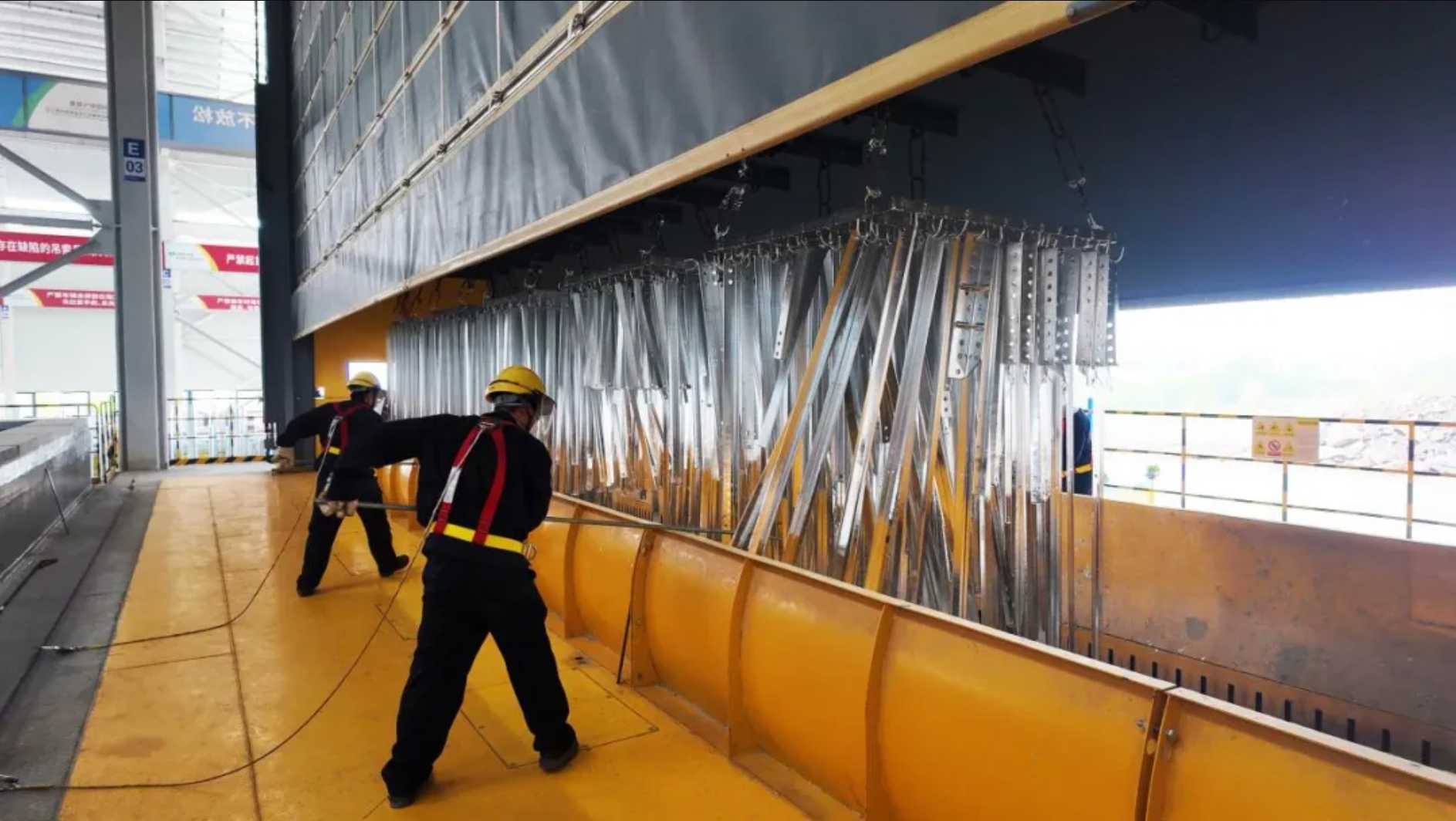
The pretreatment stage is also tightly linked to process timing. The line layout follows production capacity and process time, with precise control of station timing and movement logic. This ensures both surface cleanliness and a uniform flux film. Batch quality defects are stopped at the source — locked in at the design stage.
2. Equipment Second: Equipment That Answers Process Needs
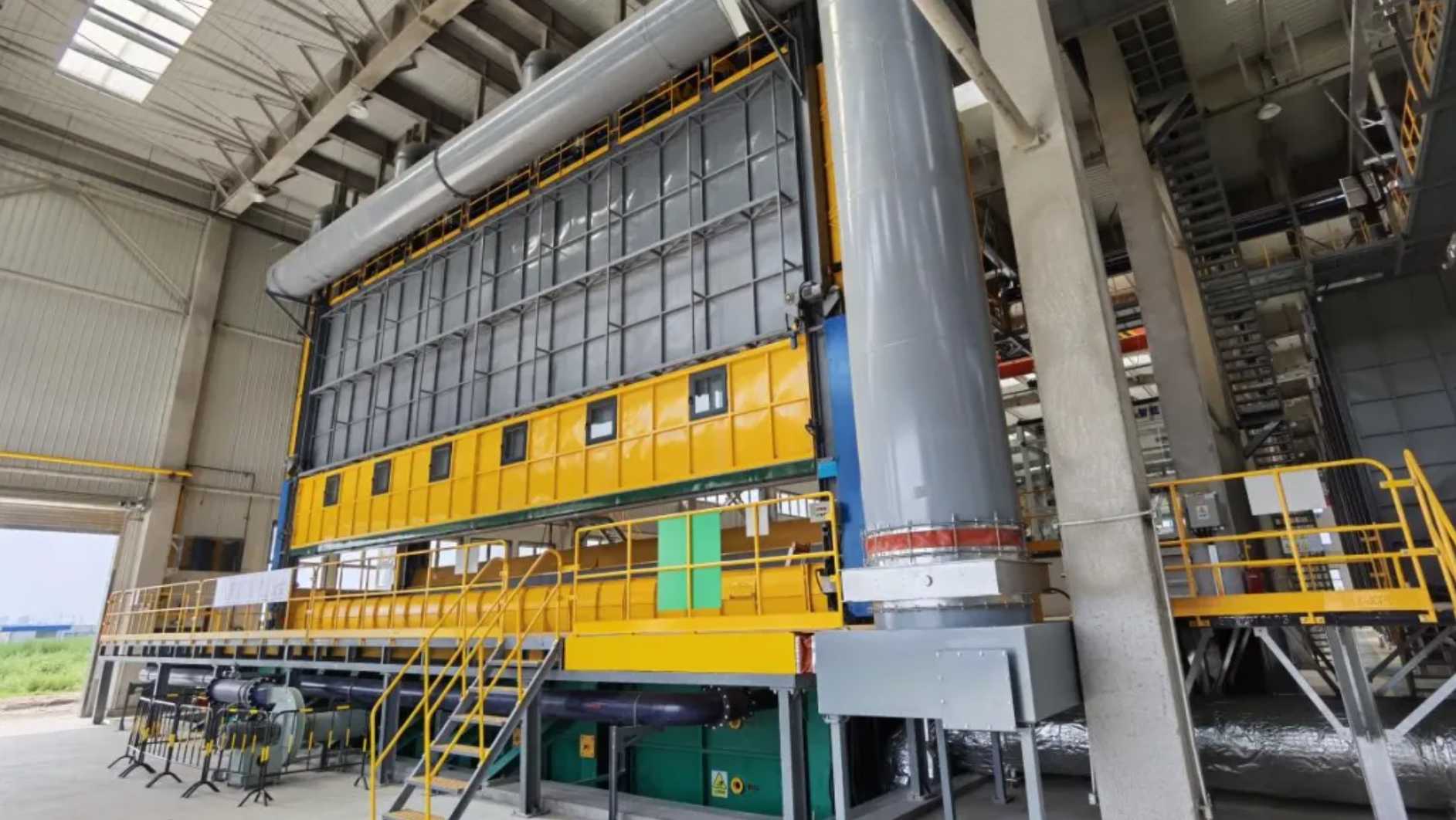
Equipment is not an add-on to the process. It is the physical expression of the process. RITMAN builds equipment from process requirements, so the machinery aligns with the process rhythm from its inception, eliminating unnecessary energy consumption and excess capacity.
Integration at the equipment level comes from standardization and modularization. Components share unified interfaces and are highly compatible. The line is split into independent functional modules. Each module is pre-assembled and tested in the factory, then shipped as a complete unit and installed on site. This cuts construction time by 70%. The line starts up and reaches full capacity faster. Future expansion can be added smoothly on top of the existing setup. The line is not a simple pile of machines — it is one integrated system built around a clear process goal.
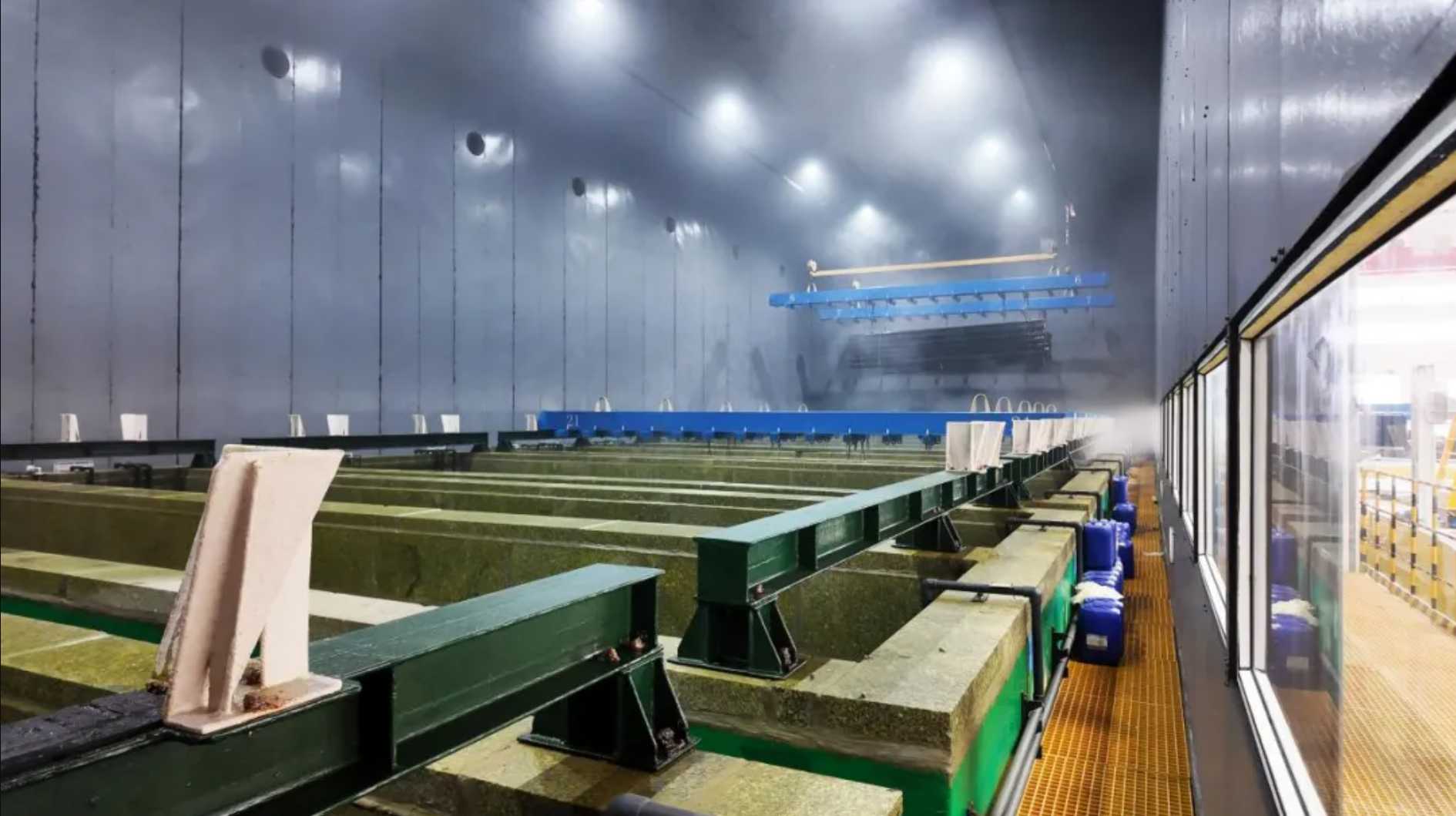
3. Smart Control at the Core: Coupling That Runs Through Every Stage
The link between process and equipment does not stop at the design drawings. It runs through the entire production process. RITMAN's fully automatic, eco-friendly galvanizing line automates pretreatment, hot-dip galvanizing, and post-treatment. Core process parameters are adjusted automatically and precisely by the system. This reduces manual work and removes quality variation caused by human error. The intelligent control system collects key data in real time — such as zinc bath temperature and coating thickness — and feeds it back immediately. Operating parameters are adjusted dynamically, so process and equipment stay in sync during operation. Coating uniformity and zinc consumption remain under control.
The integrated design also plans from a whole-plant perspective. Factory layout, material flow, capacity flexibility, environmental compliance, and future expansion are arranged together. Loading, pretreatment, waste treatment, and the intelligent control center are designed as one system. Waste gas and wastewater treatment meet standards at the same time.
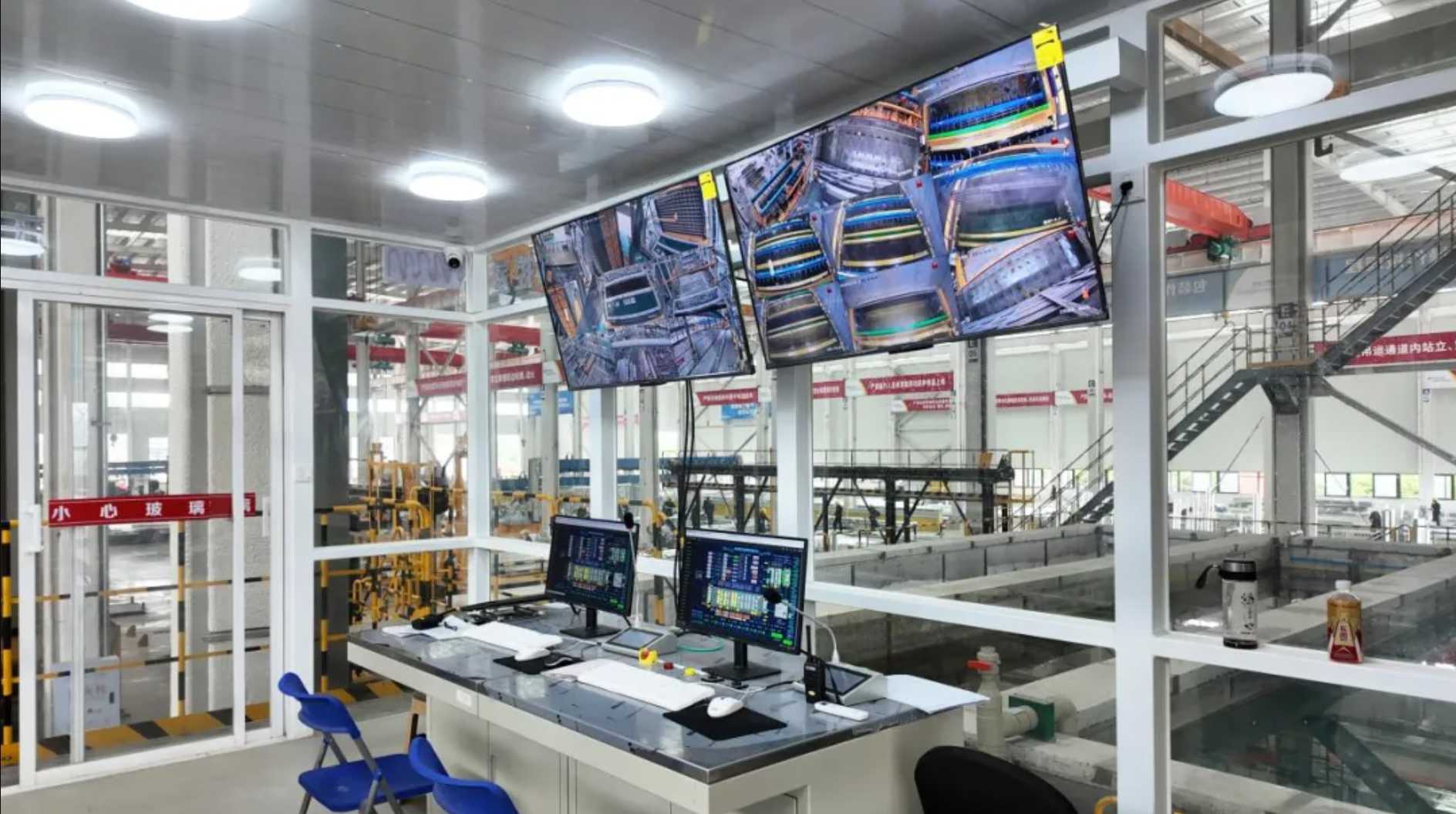
Results: Compared with traditional lines, total energy consumption drops by nearly 30%. Coating uniformity reaches a high industry standard, and product service life is significantly extended.
Conclusion:
Process comes first, equipment follows, and smart control is at the core. With integrated design, RITMAN makes process and equipment work as one. Every line runs with lower energy use and more stable quality over the long term. The galvanizing industry is moving from experience-driven to design-driven — and this is the path forward.